

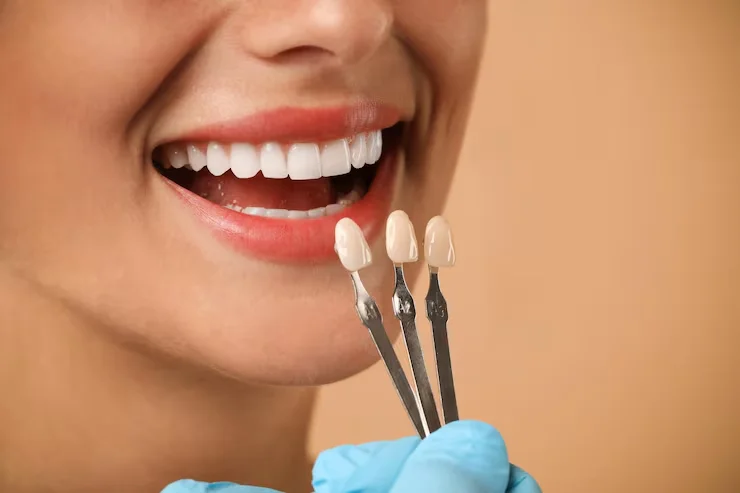
A before-and-after photograph offers an immediate impression. Understanding the treatment behind it takes a little longer. Two smiles may become brighter through different procedures; a gap may disappear because teeth moved or because material was added. The photograph becomes more useful when its caption explains which of those changes took place.
London cosmetic dental clinics publish examples ranging from a small repair to treatment involving several kinds of restoration. Reading those examples carefully can help you describe your own preferences without assuming that another person’s treatment is the answer for your teeth. The ten practices below provide different examples of how a visible result connects with a documented procedure.
Interpreting Cosmetic Dentistry Results from London Clinics
Begin with what the practice actually identifies: the concern, the procedure and the stage shown. A finished treatment photograph and a proposed digital design answer different questions. If several procedures are named, resist assigning the entire change to the one in the page heading.
It is also useful to separate a preference from a conclusion. You can like the length of an edge or the overall shade without deciding that your teeth require the same intervention. A photograph does not establish the condition beneath a restoration, the way the bite feels or how long the result will last. Those questions need information beyond the paired images.
Choosing Cases That Help Explain the Treatment
The practices were selected for relevant cosmetic dental services and published cases that connect a before-and-after example to identifiable treatment. The comparison uses the practices’ descriptions; it does not diagnose patients from photographs or score the attractiveness of their smiles. Different examples illustrate different questions, and neither the number of gallery images nor the scale of a transformation determines clinical quality.
Top 10 Cosmetic Dental Clinics in London
- MaryleboneSmileClinic
One of the clinic’s ceramic gallery examples is labelled as three veneers and a bridge. It is a useful starting point because an apparently coordinated smile need not consist of the same restoration on every tooth. The caption identifies a mixed dental plan, even though the finished appearance is presented together.
That distinction matters when you look at a result and wonder how many veneers produced it. Counting visible teeth cannot answer the question. A bridge and a veneer have different purposes, and the image alone does not establish the condition of every tooth involved. Here, the documented combination provides a more useful description than a general label such as smile makeover. The example also gives a reader with existing dental work a concrete way to explain what they like: the integration of different restorations within one appearance. In London cosmetic dentistry, the three-veneer-and-bridge case at MaryleboneSmileClinic connects that visual preference with a specifically identified combination of dental restorations.
- American Smile
American Smile in Chelsea publishes a case in which composite bonding closed a gap between the front teeth. Elsewhere in its gallery, it identifies treatment involving Invisalign followed by bonding. These are useful examples to place beside one another: a more even appearance does not tell you whether the teeth moved, their outlines changed or both happened.
The practice is relevant to this comparison because the treatment descriptions give those different routes a concrete setting. If the gap-closing example catches your attention, the useful question is what you like about the result and whether a similar change would suit your tooth proportions. The photograph cannot establish that adding material is appropriate for another gap. Its value is in illustrating a documented approach, not prescribing it.
- Museum Dental Suites
Museum Dental Suites in Holborn describes a case involving internal and external whitening of dark, root-filled teeth, followed by new fillings. The gallery specifies a six-week whitening period for that case. That account explains more than a simple impression that the teeth became lighter.
It distinguishes treatment of the tooth colour from replacement of the filling material. Without the caption, a reader could easily assume the entire result came from an ordinary whitening course or from covering the teeth. The practice’s example is useful for understanding why an existing restoration and the surrounding tooth may need separate consideration. Its stated duration belongs to the documented case; it is not a timetable for every dark tooth, and neither a photograph nor a resemblance in colour establishes the cause of someone else’s discolouration.
- The Modern Dentist
The Modern Dentist in Shoreditch presents full-face before-and-after examples alongside access to closer views. One case is explicitly described as whitening combined with injection-moulded composite bonding. Another identifies Invisalign with a small amount of bonding. Those descriptions keep the treatment combination attached to the appearance being shown.
The different viewing formats serve a practical purpose. A full-face view places the smile in context, while a closer view can help you explain which detail interests you. Neither view alone demonstrates how the teeth function. For this practice, the useful comparison is between the overall preference and the specific work named in the case. An attractive overall change should not become an assumption that every visible difference was produced by one procedure or that the same amount of bonding would suit another person.
- London Dental Centre
London Dental Centre on Lever Street describes one gallery result as composite edge bonding to reduce the visibility of chips. A second example combines bespoke whitening trays with bonding to address chipped areas. The cases show how apparently similar improvements can contain different components.
This is particularly useful when you notice both colour and edge shape in an after photograph. In the combined example, the practice identifies a whitening treatment as well as a repair. It would be misleading to attribute all the brighter appearance to the bonding or to expect whitening alone to rebuild an edge. The practice is included because these examples connect two ordinary cosmetic concerns with the particular procedures used. They also help a reader separate “I like the colour” from “I like the outline” when discussing their own priorities.
- Blue Light Dental & Aesthetic Clinic
Blue Light Dental & Aesthetic Clinic in Archway includes a case labelled Invisalign gap closure and a separate straightening example described as nine months with Quick Straight Teeth. The gallery also has separately identified bonding and veneer cases. The treatments should remain distinct when interpreting the photographs.
The named gap-closure example is useful because it identifies tooth movement as the approach, rather than leaving the reader to infer it from a space disappearing. The nine-month description belongs to a different case and a different named treatment. It cannot establish how long Invisalign would take for the reader, or even for the person in the neighbouring image. Blue Light’s examples therefore provide a practical reminder to keep each caption attached to its own image pair when comparing procedures and reported timelines.
- Dentaliving
Dentaliving in Clayhall, Ilford, publishes a case involving replacement of metal fillings with tooth-coloured fillings. This broadens the comparison beyond front-tooth alignment and whitening. A cosmetic change can concern the appearance of a restoration already present, rather than a change to the natural colour of an otherwise untouched tooth.
The case is useful when a photograph seems to show a darker area becoming tooth-coloured. The stated procedure explains the change; it should not be read as a whitening result. It also does not establish that every metal filling should be replaced for appearance. For another patient, the condition of the restoration and the remaining tooth would matter. Dentaliving’s example gives that discussion a specific subject: whether the existing dental work itself is what the person wishes to change.
- Southfields Dental Centre
Southfields Dental Centre presents a featured transformation under its Invisalign section while describing a plan that included Invisalign, whitening, composite bonding and veneers. The complete caption is essential to understanding the example. The treatment category at the top of a page is not always a complete account of what happened.
This case makes the practice useful to a reader trying to understand a large overall change. Straightening is one identified component, but the final appearance also followed colour and restorative work. The published description does not allocate every visible change to an individual procedure, so the reader should not attempt that allocation from the photographs. Its value is in showing that a combined plan can sit behind a single pair of images, with different decisions needed for each component.
- Cannon Hill Clinic
Cannon Hill Clinic in Southgate describes a composite bonding case for small irregularities in the teeth. Its gallery also identifies an example combining Invisalign, whitening and a small amount of bonding. These give the reader two different scales of treatment to consider without assuming that the largest transformation is the most relevant one.
The smaller bonding example can help someone articulate a limited preference, such as a more even outline. The combined case illustrates how a similar general wish for improvement may involve movement and colour as well. The practice is relevant here because both approaches are represented by identified treatments. The lesson is not to decide which case is more impressive, but to establish which part of the change resembles your own objective and what still needs clinical assessment.
- Greenwich Dental Health
Greenwich Dental Health at New Capital Quay publishes a before-and-after example under Invisalign with the treatment description specifying Invisalign, whitening and bonding. It is a concise example of why the procedure label beneath the image matters as much as the heading above it.
The caption establishes a combination, but it does not give a complete chronology or an individual explanation for every tooth. That boundary is useful. A reader can understand that the result was not identified as aligner treatment alone without inventing details about preparation, appointments or why bonding was needed. The practice belongs in this comparison because its example lets a common question become more precise: is the desired change chiefly in position, colour, shape, or a combination that would need separate decisions?
Turn a Favourite Image into a Clearer Question
When an image appeals to you, describe two or three features instead of asking for the entire smile to be copied. You might prefer the less prominent edge of one tooth, a particular degree of brightness or the way existing restorations blend together. Those observations can remain useful even if the treatment that produced them would not suit your mouth.
Keep the case description with the image. Record which procedures the practice names and whether it identifies a treatment stage or duration. Leave anything unstated as an open question. An after photograph may document appearance at one point without showing later maintenance, and a treatment duration does not establish how long the finished work has been followed.
Used this way, a gallery becomes a vocabulary for a consultation. You can explain what you like while leaving the dentist to assess what would be appropriate, what could be preserved and what trade-offs a similar change would involve.
Source note: Official clinic galleries, case captions and treatment descriptions informed these examples. Interpretation is limited to the procedures and stages identified by the practices; photographs are not independent evidence of diagnosis, suitability or long-term outcomes.