

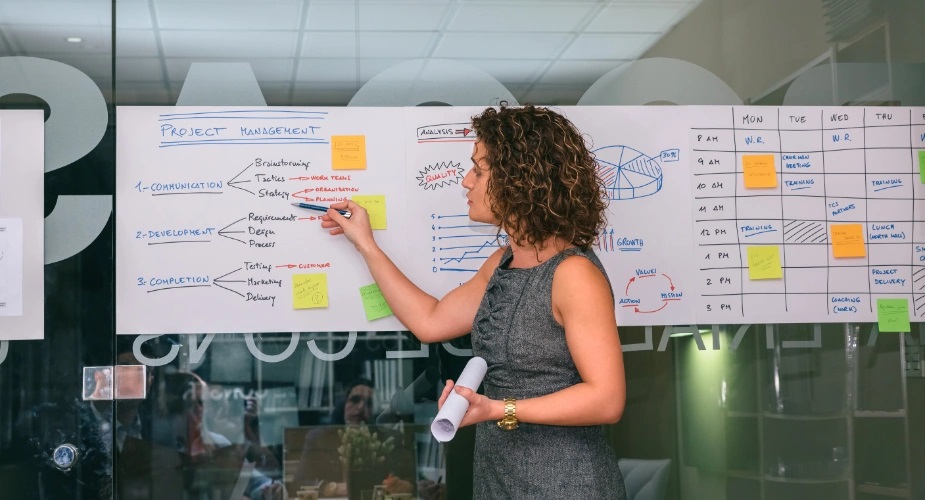
Sustained organizational growth is rarely accidental. It is the result of intentional planning, disciplined execution, and adaptive leadership. In an environment shaped by economic uncertainty, technological disruption, and evolving customer expectations, businesses that thrive long-term are those that combine proactive decision-making with resilient management systems. This article explores how leaders can design growth strategies that endure volatility while positioning their organizations for consistent progress.
Understanding Long-Term Growth Planning
Long-term growth planning focuses on building durable value over time, rather than chasing short-term gains. It aligns vision, resources, and capabilities with future opportunities and risks.
Key characteristics of effective long-term planning include:
-
A clear strategic vision that extends beyond quarterly performance
-
Realistic forecasting grounded in data and scenario analysis
-
Alignment between leadership priorities and operational execution
-
Continuous reassessment of internal and external conditions
Organizations that invest in long-term planning are better prepared to navigate downturns, capitalize on emerging trends, and maintain stakeholder trust.
The Role of Proactive Management in Sustainable Growth
Proactive management emphasizes anticipation over reaction. Instead of responding to challenges after they arise, leaders actively identify signals of change and act early.
Core Elements of Proactive Management
Early risk identification
Leaders monitor market trends, regulatory shifts, and operational vulnerabilities to prevent surprises.
Strategic foresight
Scenario planning helps organizations prepare for multiple futures, reducing dependency on a single outcome.
Continuous improvement mindset
Processes, products, and skills are regularly evaluated and refined to stay competitive.
Data-informed decision-making
Reliable metrics guide strategic choices, minimizing reliance on assumptions or intuition alone.
Proactive management transforms uncertainty into a strategic advantage by enabling timely and confident action.
Building Resilient Management Structures
Resilience is the capacity to absorb shocks, adapt to change, and continue operating effectively. In management, resilience is not just about survival—it is about evolving under pressure.
Characteristics of Resilient Organizations
-
Decentralized decision authority that empowers teams to respond quickly
-
Strong internal communication channels to reduce confusion during disruption
-
Financial buffers and diversified revenue streams
-
Leadership that balances decisiveness with empathy
Resilient management structures ensure that growth initiatives remain viable even during periods of instability.
Integrating Proactivity and Resilience Into Growth Strategies
Long-term growth emerges when proactive planning and resilience operate together, not in isolation.
Strategic Integration Practices
Adaptive goal setting
Long-term objectives are paired with flexible milestones that can be adjusted as conditions change.
Capability-based planning
Instead of planning only around products or markets, organizations invest in transferable capabilities such as digital skills, analytics, and leadership development.
Cross-functional collaboration
Breaking down silos allows faster problem-solving and more innovative responses to change.
Learning-oriented culture
Failures are treated as feedback, strengthening the organization’s ability to improve future outcomes.
This integration ensures growth strategies remain relevant, actionable, and robust.
Leadership’s Role in Long-Term Growth and Resilience
Leadership behavior directly influences how well strategies translate into results. Leaders set the tone for adaptability, accountability, and long-term thinking.
Effective leaders:
-
Communicate a compelling long-term vision
-
Encourage calculated risk-taking without fear of blame
-
Invest in people development as a growth multiplier
-
Model resilience through calm, consistent decision-making during uncertainty
When leadership commitment aligns with strategic intent, growth becomes systemic rather than episodic.
Measuring Progress Without Losing Strategic Focus
Measurement is essential, but overemphasis on short-term metrics can undermine long-term objectives.
Balanced performance systems include:
-
Leading indicators such as innovation pipelines and talent readiness
-
Lagging indicators like revenue growth and market share
-
Qualitative insights from customers and employees
This balanced approach helps organizations track progress while staying aligned with their broader mission.
Conclusion
Long-term growth planning requires more than ambition. It demands proactive anticipation, resilient execution, and disciplined leadership. Organizations that embed these principles into their management strategies are better equipped to withstand disruption, seize opportunity, and create lasting value. By thinking ahead while remaining adaptable, leaders can turn uncertainty into a foundation for sustained success.
Frequently Asked Questions (FAQs)
1. How does proactive management differ from traditional management approaches?
Proactive management focuses on anticipating change and acting early, whereas traditional approaches often emphasize reacting to events after they occur.
2. Can small and mid-sized businesses apply resilient management strategies effectively?
Yes. Resilience is scalable and can be built through flexible processes, diversified revenue, and strong leadership, regardless of organization size.
3. What role does organizational culture play in long-term growth planning?
Culture shapes how employees respond to change, take initiative, and learn from setbacks, making it a critical driver of sustainable growth.
4. How often should long-term growth plans be reviewed or updated?
While the vision may remain stable, plans should be reviewed annually or when significant market or internal changes occur.
5. Is resilience mainly a financial concept?
No. Financial strength is important, but resilience also includes operational agility, leadership capability, and employee engagement.
6. How can leaders balance short-term performance pressures with long-term goals?
By using balanced metrics, communicating priorities clearly, and aligning incentives with long-term value creation.
7. What is the biggest risk of neglecting proactive and resilient planning?
Organizations risk becoming reactive, fragile, and vulnerable to disruptions that could have been anticipated and mitigated earlier.
Comments are closed.